





Santa Maria Island, monks’ heaven 11/01/2024 – Posted in: Discover Sardinia – Tags: Emerald Coast, la maddalena archipelago, La Maddalena National Park, Porto Cervo Sardinia, Santa Maria Island, Sardinia Island Tours
Santa Maria stands out as the northern jewel of Sardinia, positioned close to the Bonifacio Strait, near the Corsican border. Together with the enchanting islets of Razzoli and Budelli, it marks the northern extremity of the Maddalena Archipelago, a must-visit destination among the approximately 60 islands in the region.
SIZE
Covering a two-square-kilometer area, Santa Maria boasts a rugged coastline stretching over ten kilometers. What sets it apart from the other smaller Maddalena islands is its status as the only permanently inhabited one, apart from its larger counterpart, La Maddalena.

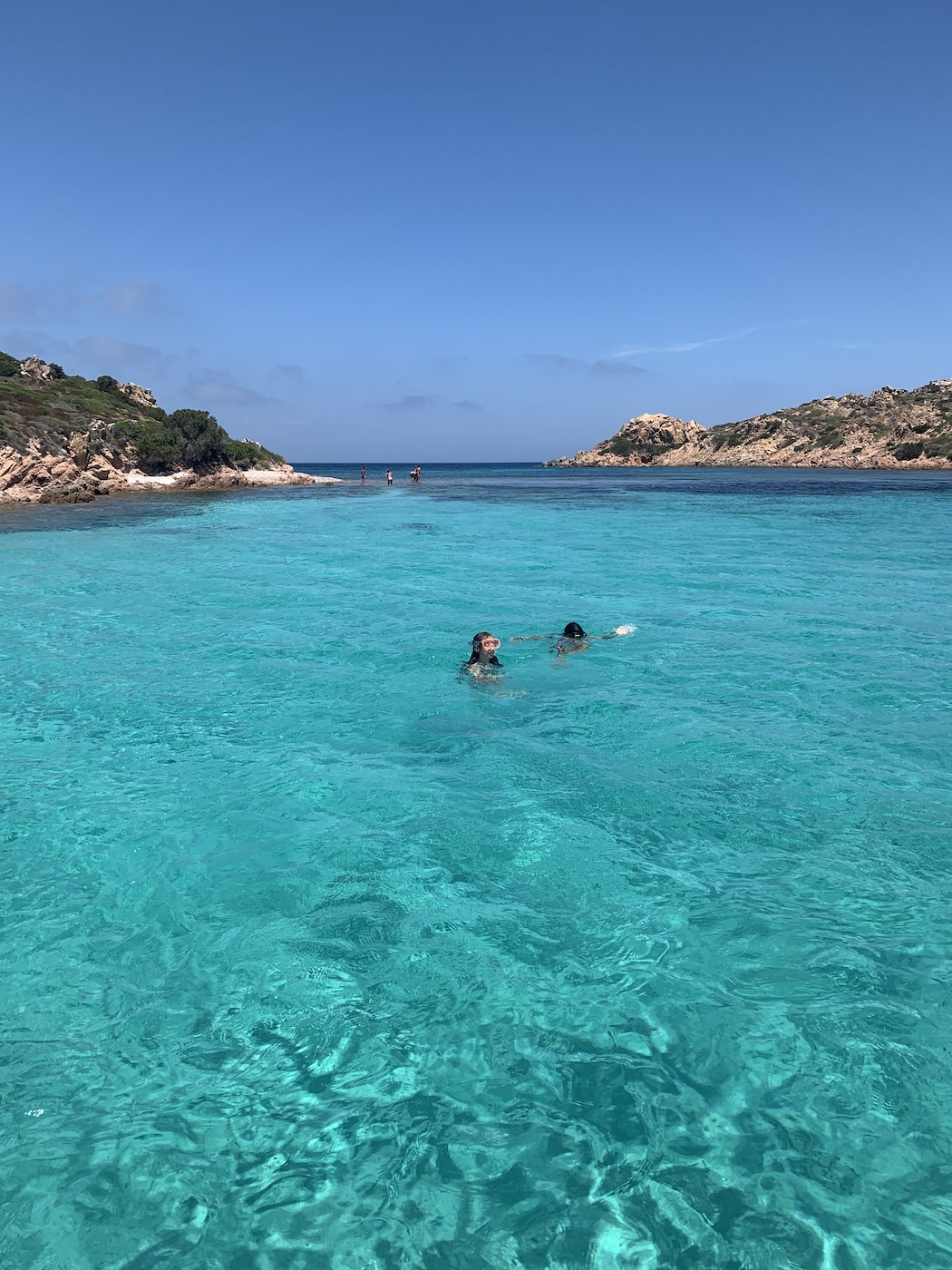
Donkey’s Pass
ENVIRONMENT
The island’s topography distinguishes it from its neighbors, lacking significant elevation except for Guardia del Turco, which barely reaches 49 meters. This allows visitors to enjoy nature walks along paths immersed in the low Mediterranean vegetation.
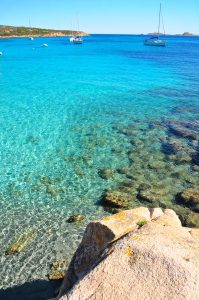
Santa Maria Island
HISTORY
Exploring the internal trails reveals the remains of an 11th-century Benedictine monastery, once a haven for monks. Deserted in the 16th century, the monastery passed into the hands of the Bertoleoni family in the late 18th century, who later extended their influence to the picturesque island of Tavolara (the smallest kingdom in the world).
In the 19th century, the refurbished building served as a shepherd’s dwelling. Today, Santa Maria accommodates additional residences, attracting artists and entertainment figures seeking a summer retreat.

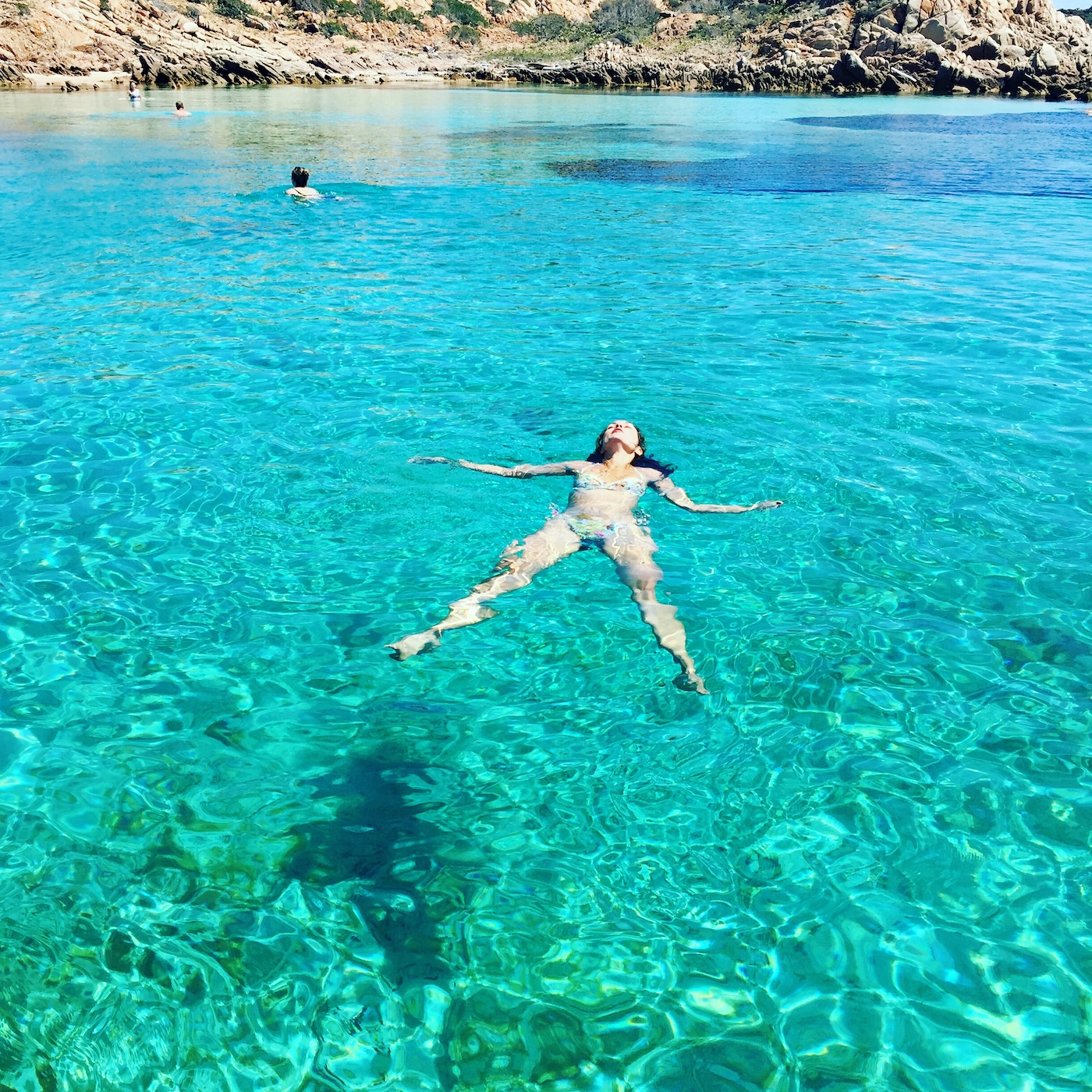
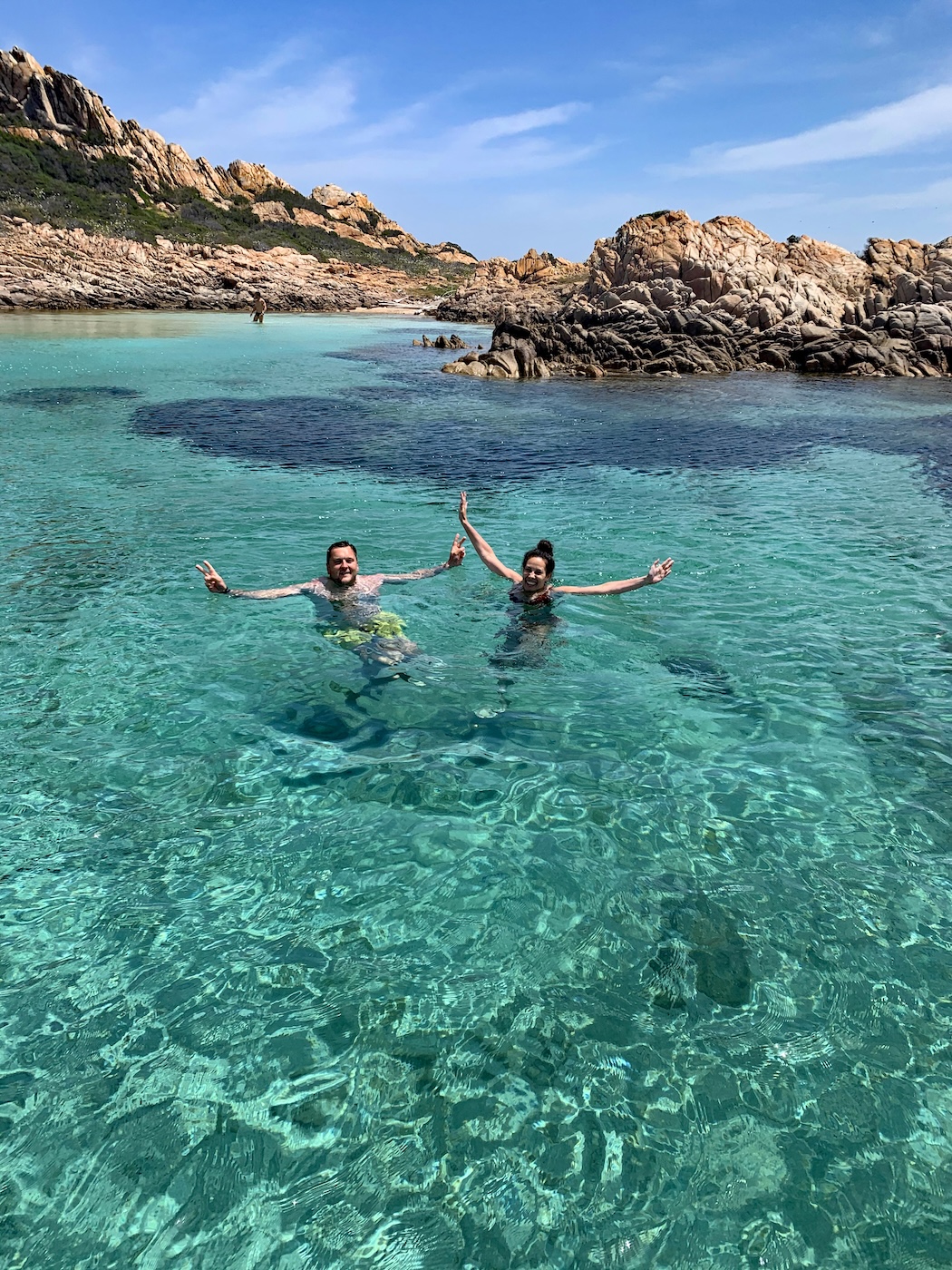
Some of our happy guests in Santa Maria
TREK
Another scenic trail leads to the Punta Filetto lighthouse, offering panoramic views of the open sea and smaller islets. The coastal treasures, notably Cala Santa Maria and Cala di Fosso, come into view from the lighthouse.

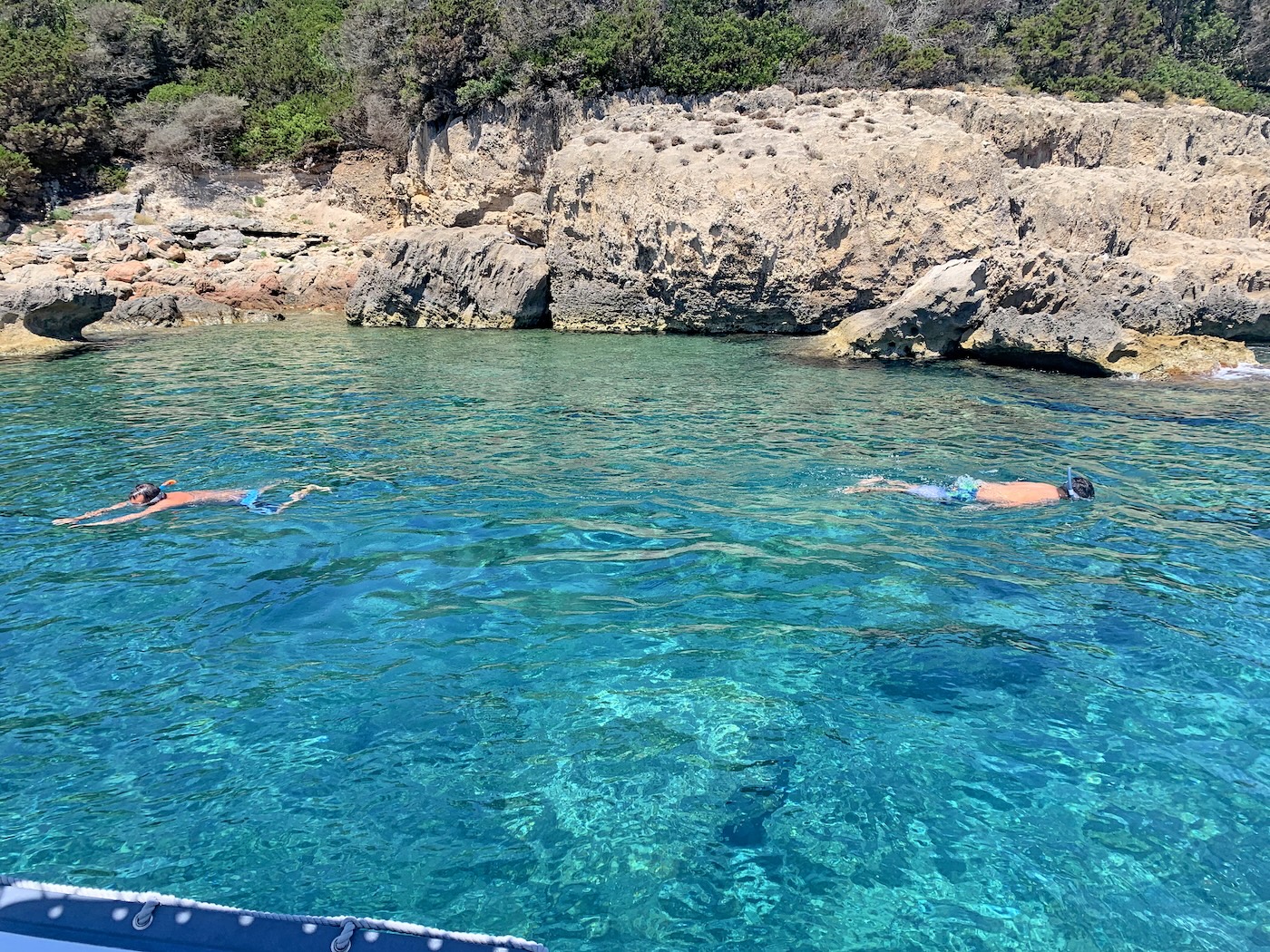
Santa Maria Coastline
THE MAIN BEACH
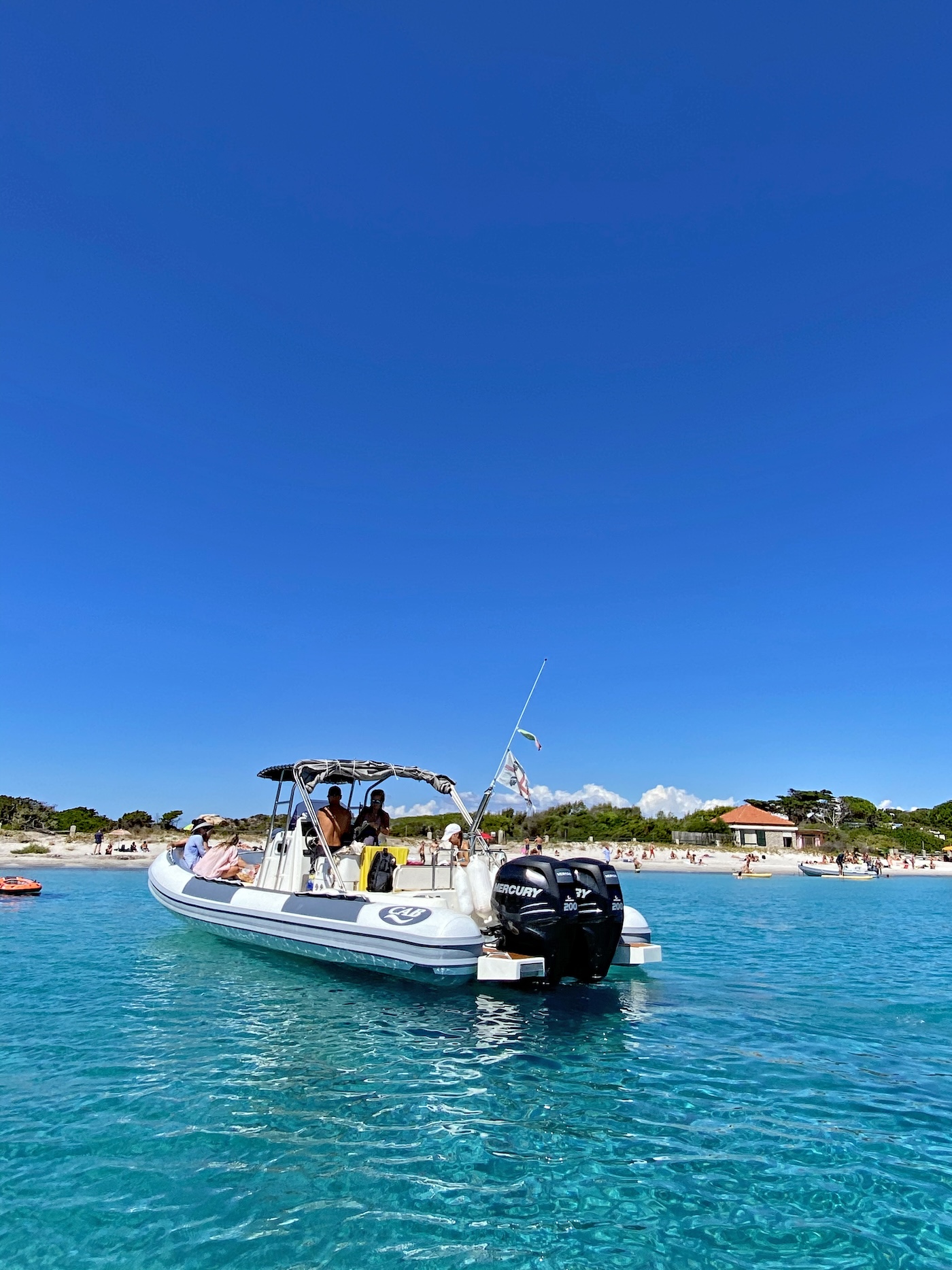
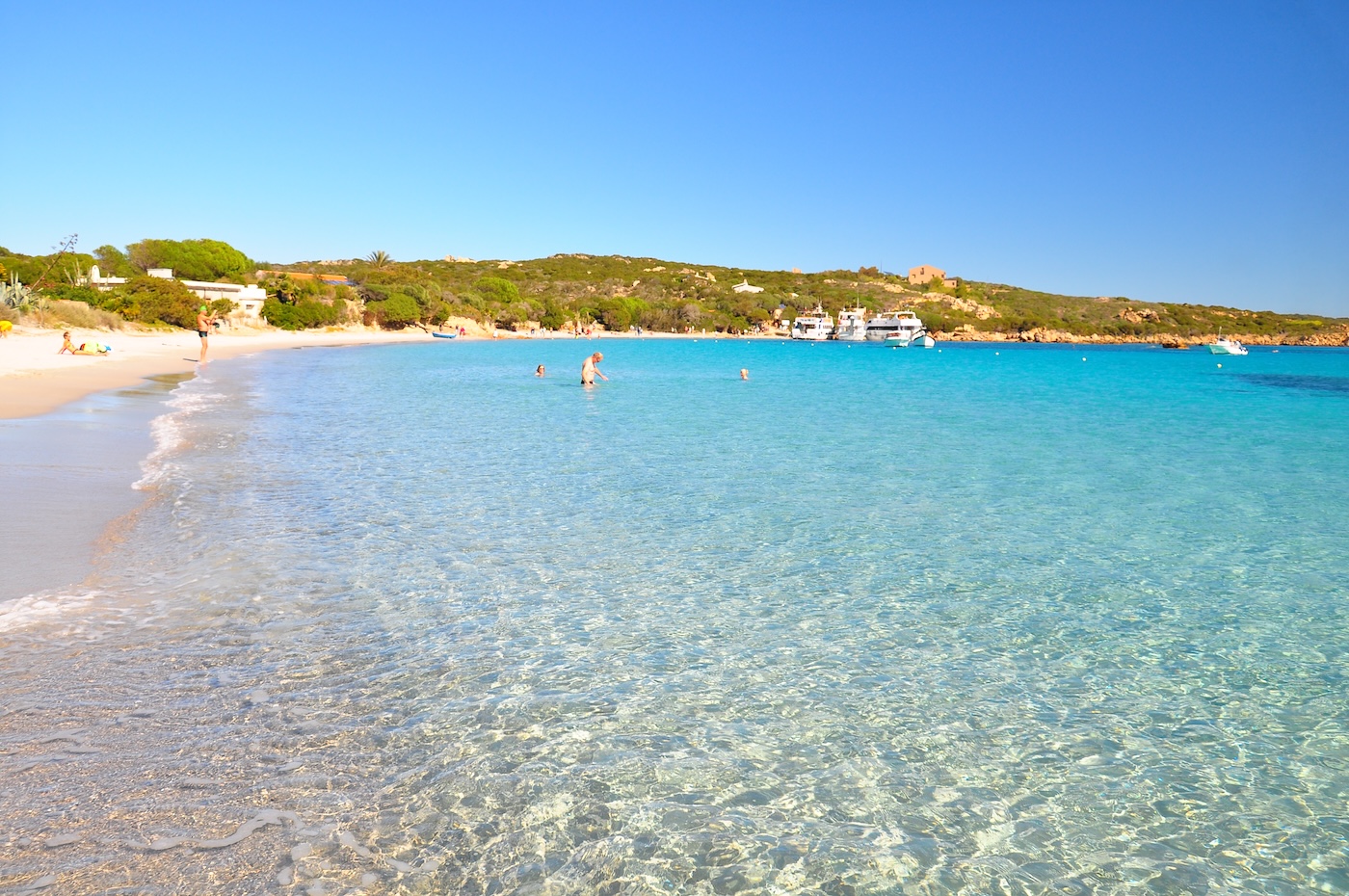
Cala Santa Maria, reachable by sea, features pristine white sand washed by clear waters and abundant in marine life. With a length of 200 meters, it stands as the largest beach in the entire archipelago. Its shallow, sandy bottom gradually slopes, forming a beautiful natural pool. Surrounding the cove are rocks adorned with pink hues, concealed beneath Mediterranean greenery.
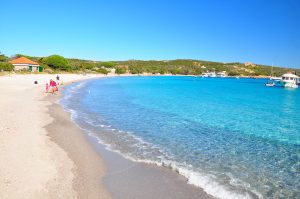
Cala Santa Maria, main island beach
FAUNA
The bay’s backdrop includes a brackish water lagoon called the Palude, which serves as a habitat for various water birds such as woodcocks, coots, and mallards.
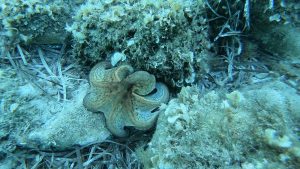
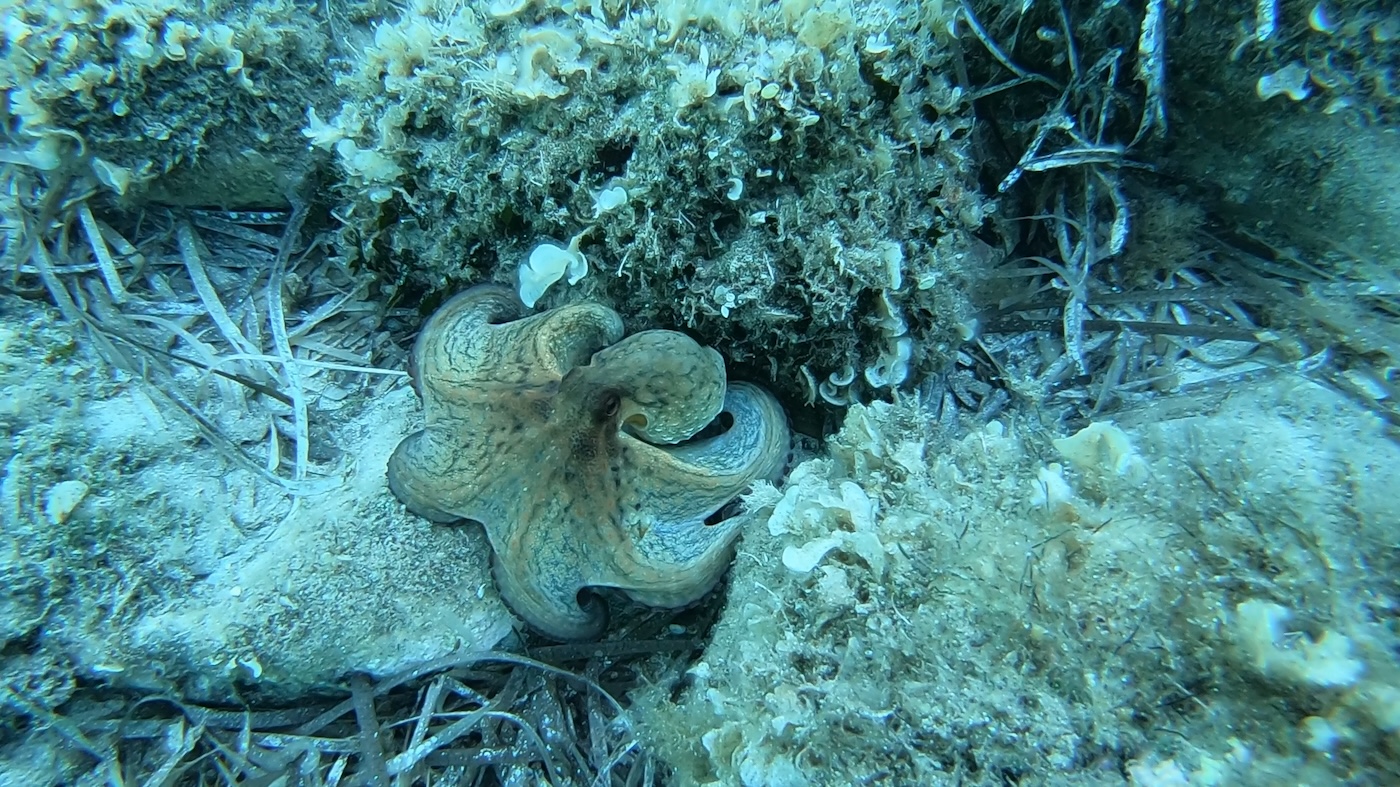
Octopus
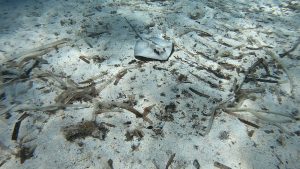
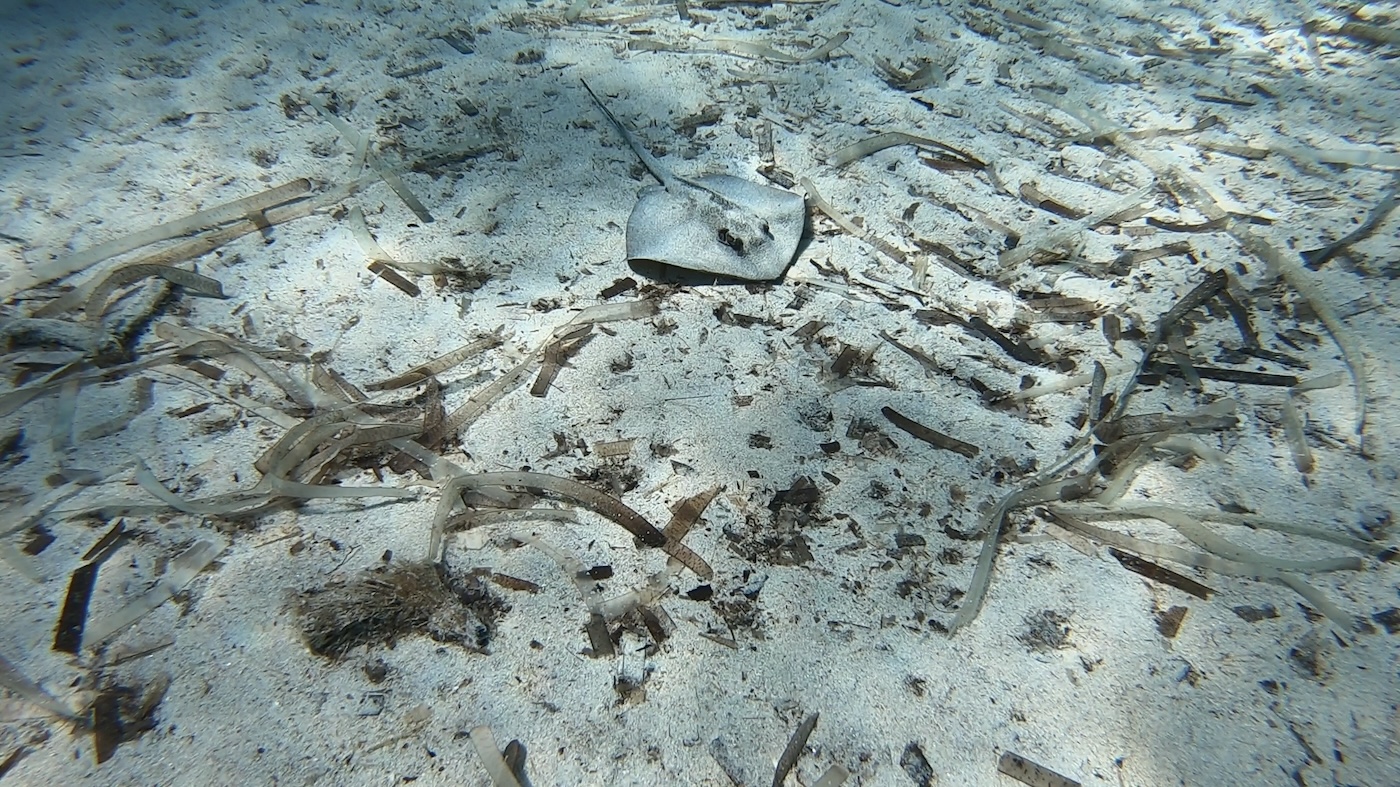
Sting Ray

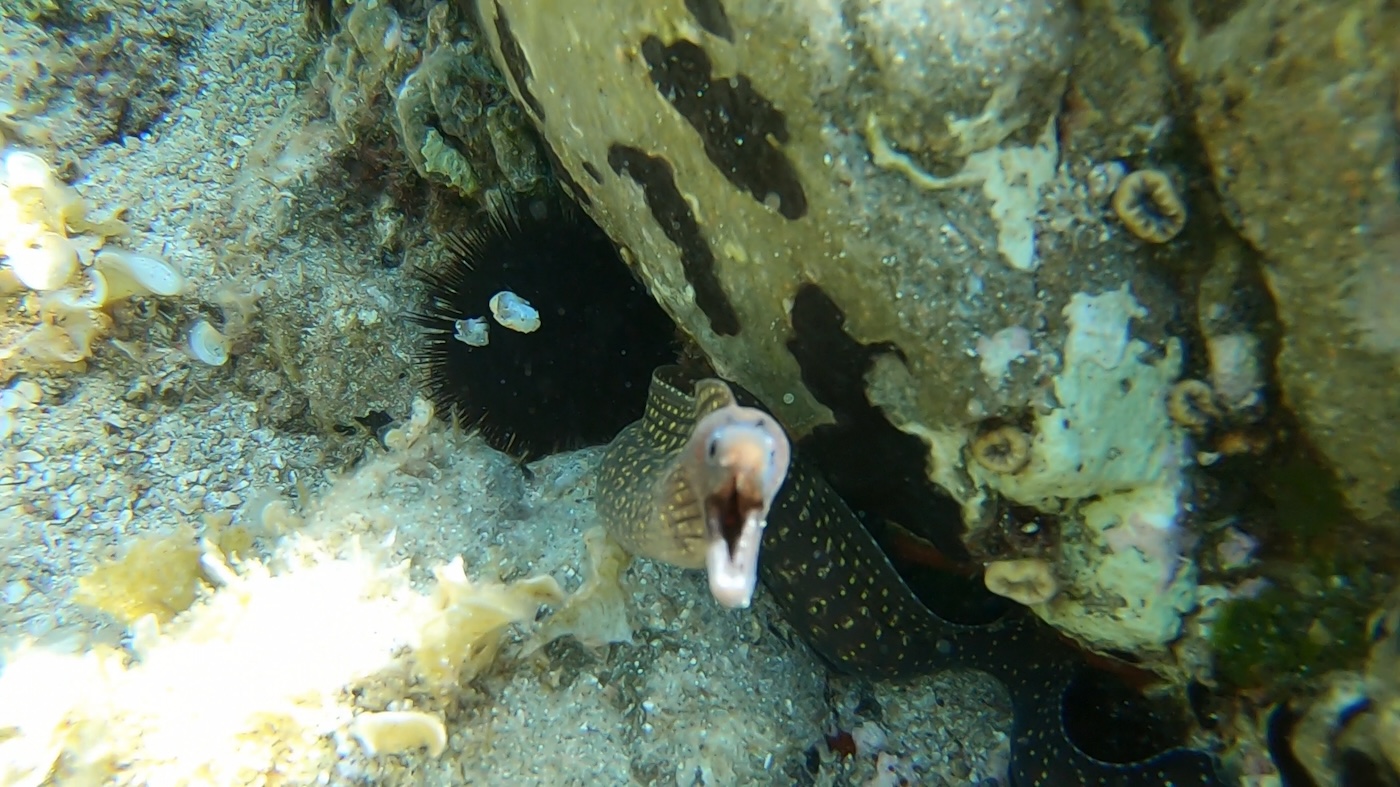
Moray-eel in Santa Maria
CONCLUSION
Santa Maria serves as a convenient starting point for exploring the neighboring Razzoli, accessible through the “Passo degli Asinelli” (Donkey’s Pass), a submerged sandbar that connects both islands, offering a unique walking experience on the sea. Heading further north reveals the narrow Passo dello Strangolato, separating Santa Maria from La Presa, a tiny island on the northernmost point of Sardinia.

Sightseeing & Snorkeling in Santa Maria Island


Further Readings about Sardinia:
Bosa, a colorful medieval town
Alghero, a Catalan City in Sardinia